
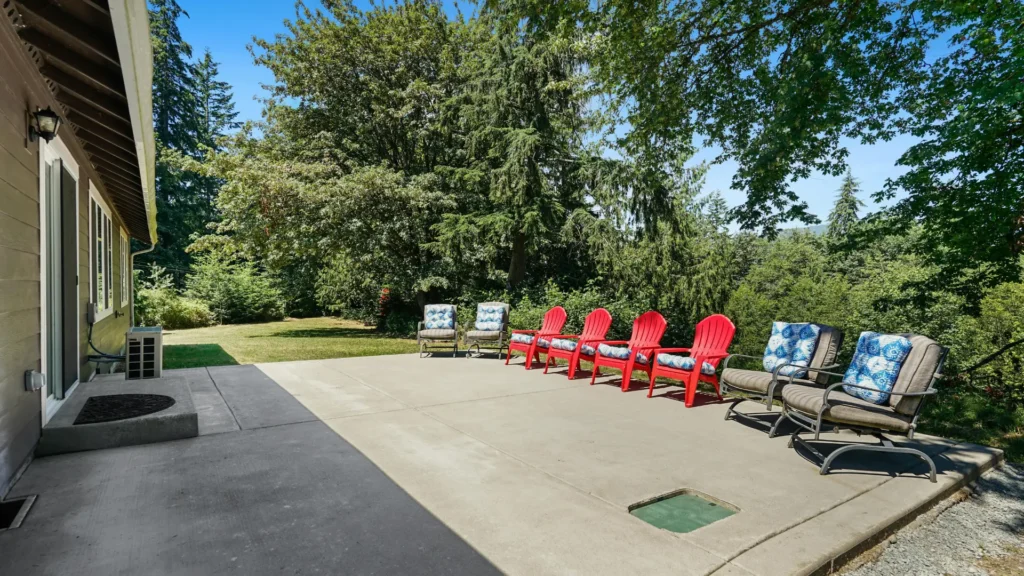
Welcome to your complete guide on concrete patio cost in Whangarei, where we break down exactly what homeowners can expect to pay, why prices vary so much, and how to budget smartly without cutting corners. Whether you’re planning a simple outdoor area for entertaining or a more decorative concrete patio to add long-term value to your home, understanding the real costs upfront can save you time, money, and frustration. In this guide, we’ll cover average price ranges in Whangarei, the key factors that influence costs, and practical tips to help you make confident, informed decisions before requesting quotes.
Concrete patio cost in Whangarei typically ranges from $90 to $160 per square metre, depending on factors such as patio size, site preparation, concrete finish, and accessibility. Basic concrete patios are more affordable, while decorative finishes like exposed aggregate or coloured concrete increase the overall cost. Getting a site-specific quote is the best way to determine an accurate price.
- Average Concrete Patio Cost In Whangarei (2026 Guide)
- Key Factors That Affect Concrete Patio Costs In Whangarei
- Concrete Patio Cost Breakdown (Realistic Budgeting)
- Concrete Patio Vs Other Patio Options: Cost Comparison
- Is A Concrete Patio Worth The Investment?
- How To Reduce Concrete Patio Costs Without Cutting Corners
- Choosing The Right Concrete Contractor In Whangarei
- FAQs: About Concrete Patio Cost In Whangarei
- Conclusion
Average Concrete Patio Cost In Whangarei (2026 Guide)
If you are planning a concrete patio in Whangarei, having a clear understanding of current pricing will help you set a realistic budget and avoid unexpected costs. While exact prices vary from project to project, most concrete patio costs in Whangarei fall within well-defined ranges based on finish type, site conditions, and overall design. The following guide reflects what homeowners can reasonably expect heading into 2026.
Typical Price Range Per Square Metre
Concrete patio pricing in Whangarei is usually calculated per square metre. The final cost depends largely on the finish you choose and the complexity of the installation.
Plain Concrete Patio
This is the most cost-effective option and suits homeowners looking for a durable, low-maintenance outdoor area without decorative features.
- Typical cost range: $90 to $120 per square metre
- Best for: Functional patios, utility areas, and simple outdoor spaces
Decorative Or Exposed Aggregate
Exposed aggregate concrete reveals natural stones on the surface, creating a more visually appealing finish that also offers good slip resistance.
- Typical cost range: $120 to $150 per square metre
- Best for: Entertaining areas and modern outdoor living spaces
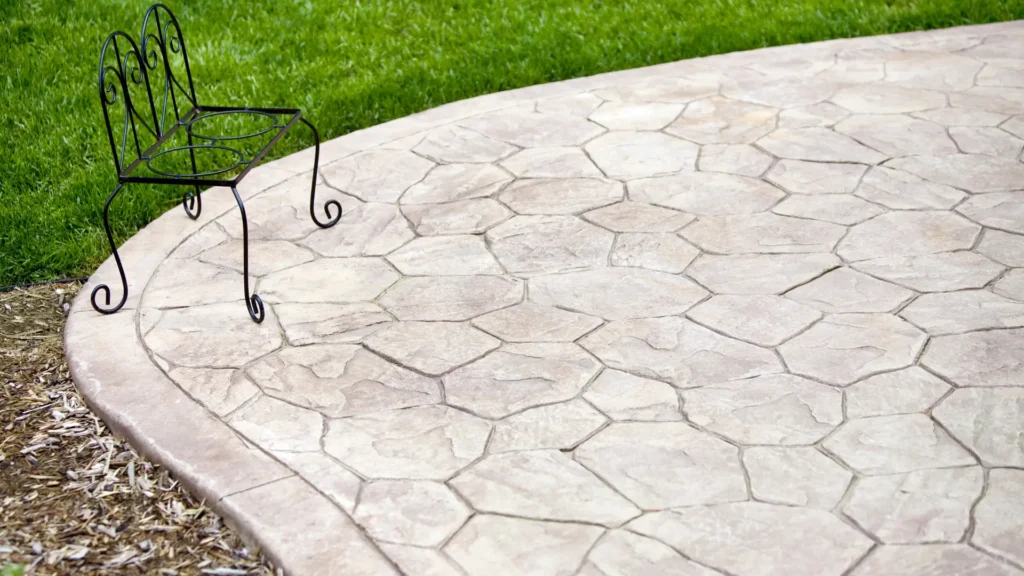
Stamped Or Coloured Concrete
Stamped or coloured concrete is more labour-intensive and requires specialised finishing techniques, placing it at the higher end of the pricing scale.
- Typical cost range: $140 to $180+ per square metre
- Best for: Feature patios and premium landscape designs
Example Structure With No Hard Guarantees
Most concrete patio projects in Whangarei generally fall into one of the following categories.
- Low-end range: Small patios with plain concrete and minimal site preparation
- Mid-range: Average-sized patios with decorative finishes or moderate site work
- High-end or premium finishes: Large patios with stamped, coloured, or custom-designed concrete
What These Prices Usually Include
Understanding what is included in a concrete patio quote can make it easier to compare pricing and avoid misunderstandings later on. While inclusions vary slightly between contractors, most standard quotes cover the essentials below.
- Labour
This includes the cost of professional concreters responsible for formwork, pouring, finishing, and curing the slab. Labour costs may increase if access is limited or if the design is complex. - Materials
Concrete supply, reinforcing mesh or steel, formwork materials, and the selected surface finish are typically included. Decorative finishes increase material costs. - Basic Site Prep
Most quotes allow for basic ground preparation such as excavation, levelling, and compacting. Significant earthworks or drainage solutions are often charged separately. - Finishing
Finishing refers to the final surface treatment, whether it is a standard broom finish or a decorative option like exposed aggregate or stamping.
From experience, most homeowners we speak to fall into the mid-range category, choosing a balance between affordability and appearance that delivers long-term value without stretching the budget too far.
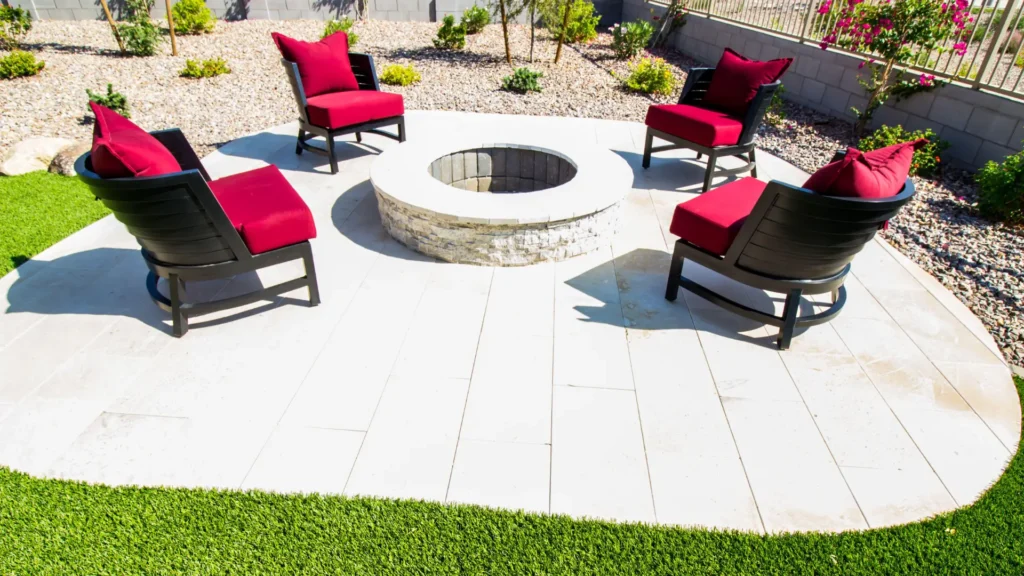
Key Factors That Affect Concrete Patio Costs In Whangarei
Concrete patio pricing in Whangarei can vary widely because no two properties or projects are exactly the same. While square metre rates are often used as a starting point, the final cost is shaped by several practical and site-specific factors. Understanding these elements will help you budget more accurately and avoid unexpected costs once the work begins.
Patio Size & Shape
The overall size and layout of your patio play a major role in determining cost. While larger patios naturally require more materials, they often benefit from efficiencies that reduce the price per square metre.
Key considerations include:
- Larger areas: Bigger patios usually result in a lower cost per m² because setup, labour, and concrete delivery costs are spread across a wider surface.
- Smaller patios: Compact patios may have a higher per m² rate since fixed costs still apply.
- Straight edges vs curves: Simple, straight-edged designs are faster and cheaper to form, while curved or custom shapes increase labour time and formwork complexity.
Homeowners aiming to manage concrete patio cost in Whangarei often find that keeping the design simple delivers the best value.
Site Preparation & Ground Conditions
Site preparation is one of the most underestimated cost factors and can significantly affect concrete patio pricing in Northland. The condition of your land determines how much work is required before any concrete is poured.
Factors that influence preparation costs include:
- Sloping sections: Uneven or sloped ground may need leveling, retaining edges, or additional formwork.
- Poor drainage: Areas with water pooling may require drainage solutions to prevent long-term damage.
- Excavation requirements: Removing soil, old concrete, or vegetation adds time, labour, and disposal costs.
A well-prepared base is essential for durability, and cutting corners here can lead to cracking or sinking later on.
Concrete Type & Finish
The type of concrete and finish you choose has a direct impact on both appearance and price. Finishes range from basic and functional to highly decorative.
Common options include:
- Plain broom-finished concrete: The most affordable option, offering a simple, slip-resistant surface.
- Exposed aggregate: A decorative finish that reveals stone within the concrete, increasing both visual appeal and cost.
- Coloured concrete: Pigments are added to the mix, raising material costs but enhancing aesthetics.
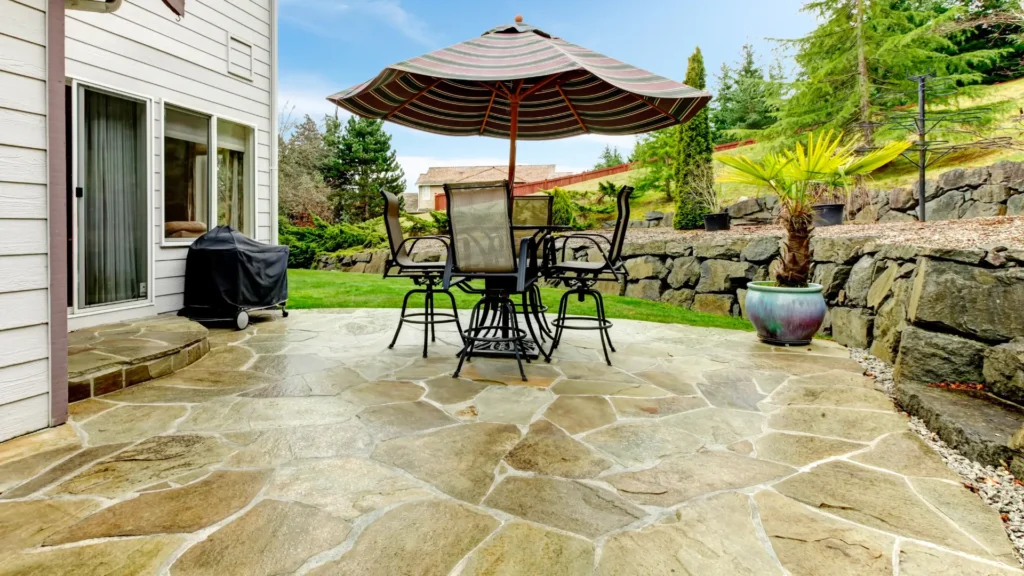
- Stamped concrete: Designed to mimic stone or tile, this option requires specialised labour and is typically the most expensive.
Your choice should balance budget, style preferences, and how the patio will be used.
Reinforcement & Thickness
Reinforcement and slab thickness affect both the cost and longevity of your patio. These elements are especially important for patios that will support heavy furniture or frequent use.
Important reinforcement factors include:
- Steel mesh: Reinforcing mesh helps reduce cracking and improves structural strength.
- Thicker slabs: Increased thickness adds material costs but is recommended for high-traffic areas or heavier loads.
While these upgrades raise upfront costs, they often reduce repair and maintenance expenses over time.
Access To Your Property
Access is a practical factor that can significantly influence labour costs. The easier it is to reach the site, the faster and more efficiently the job can be completed.
Access-related cost factors include:
- Machinery access: Direct access allows concrete to be poured using machinery, lowering labour time.
- Manual labour requirements: Restricted access may require wheelbarrows or hand tools, increasing labour hours and overall cost.
Properties with limited access often see higher concrete patio pricing due to the additional effort involved.
Concrete patio costs in Whangarei are influenced by more than just size. Design choices, ground conditions, finishes, reinforcement, and site access all play a role in the final price. By understanding these factors early, you can plan a patio that fits your budget while still delivering long-term durability and value.
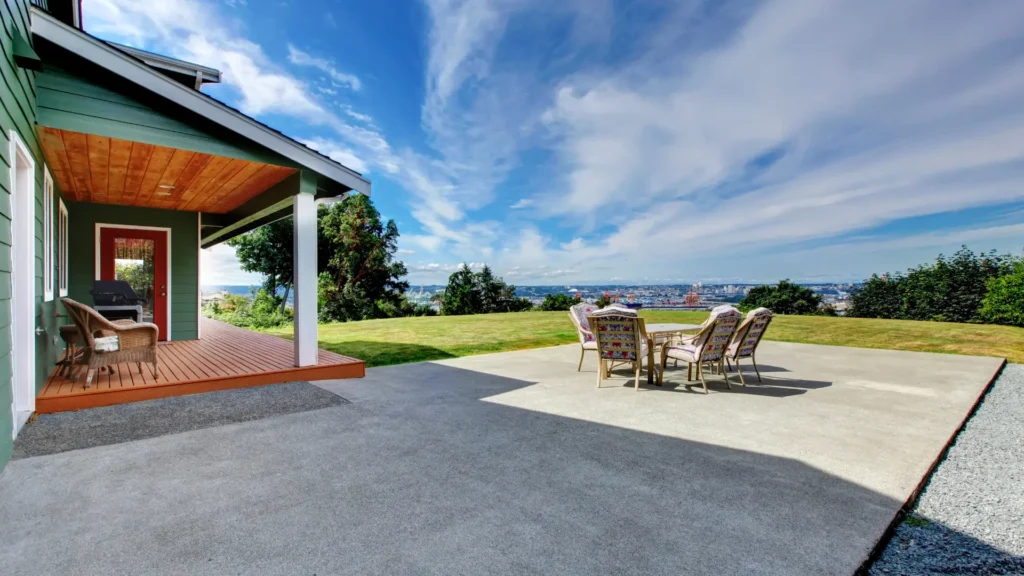
Concrete Patio Cost Breakdown (Realistic Budgeting)
Planning a concrete patio budget is easier when you understand where the money actually goes. Many homeowners focus only on the final quote, but the real value comes from knowing how materials, labour, and extra costs combine to form the total concrete patio cost in Whangarei. These are the line items that often surprise homeowners, especially when they are not discussed upfront.
Materials Cost
Materials form a significant portion of the overall cost and can vary depending on quality, finish, and structural requirements. Even small upgrades in materials can have a noticeable impact on the final price.
- Concrete supply: This includes the ready-mix concrete itself, which is usually priced per cubic metre. Costs can vary based on concrete strength, mix design, and delivery distance within Whangarei and surrounding areas.
- Reinforcement materials: Most patios require steel mesh or reinforcing bars to improve durability and prevent cracking. While this adds to the upfront cost, it significantly increases the lifespan of the patio and is rarely something worth skipping.
- Finishing materials: Finishes such as exposed aggregate, coloured concrete, or sealers are optional but common. These materials enhance appearance and performance, especially in outdoor conditions, but they do come at an added cost compared to plain concrete.
Labour Costs in Whangarei
Labour pricing reflects both skill level and the way the job is quoted. Understanding how contractors charge for labour helps explain why quotes can differ even for similar-sized patios.
- Skilled concreters vs general labour: Experienced concreters typically charge more, but their expertise often results in better finishing, fewer issues, and a longer-lasting patio. General labour may reduce costs slightly, but it can increase the risk of mistakes or rework.
- Day rates vs job pricing: Some contractors charge a daily rate, while others provide a fixed price for the entire project. Job pricing is more common for concrete patios and gives homeowners clearer cost certainty, whereas day rates can fluctuate if the project takes longer than expected.
Additional Costs to Watch For
Beyond materials and labour, there are extra expenses that are easy to overlook during early budgeting. These costs depend heavily on site conditions and local requirements.
- Council requirements: While many ground-level concrete patios do not require consent, certain situations may involve council approvals or inspections. Any required permits or compliance work can add to the total cost.
- Drainage solutions: Proper drainage is essential in Whangarei’s climate. If water runoff needs to be redirected or managed, additional drains or groundwork may be required, increasing the overall project cost.
- Removal of existing surfaces: If an old patio, concrete slab, or decking needs to be removed before work begins, demolition and disposal fees will apply. This is a common cost that homeowners do not always factor into initial estimates.
Understanding this breakdown allows you to budget more accurately and avoid unexpected expenses during construction. By discussing each of these cost areas with your contractor early on, you can plan a concrete patio that fits your budget while still delivering long-term value and durability.
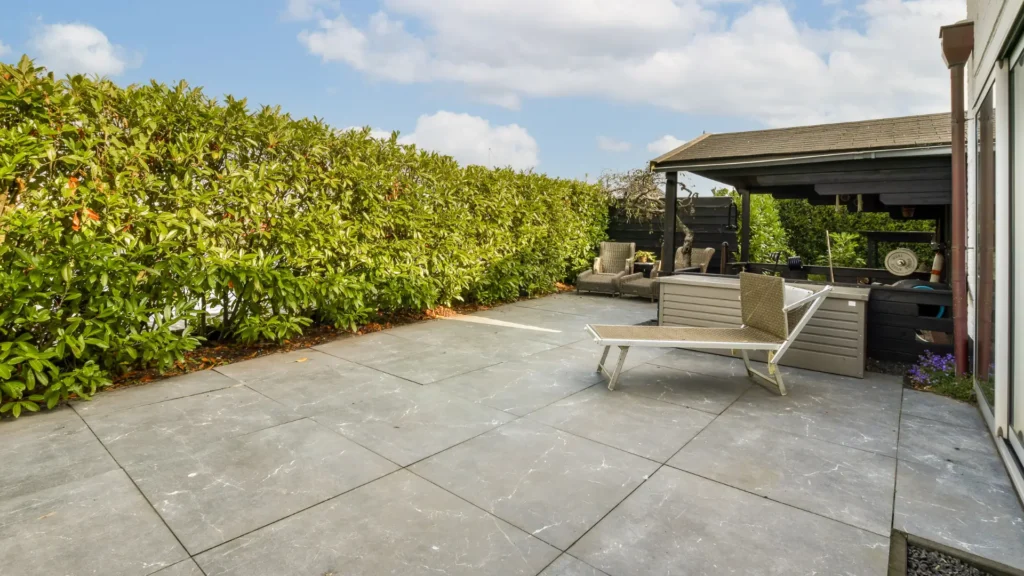
Concrete Patio Vs Other Patio Options: Cost Comparison
Choosing the right patio material is not just about looks. Cost, durability, and long-term upkeep all play a major role, especially for homeowners in Whangarei. Below is a clear, practical comparison between concrete patios and other popular options so you can decide what makes the most sense for your home and budget.
Concrete vs Timber Decking
When comparing concrete patios and timber decking, the differences become clear once you look beyond appearance and focus on total cost over time.
Upfront cost comparison:
- Concrete patio: Typically offers a more predictable and often lower upfront cost per square metre, especially for standard finishes.
- Timber decking: Can appear similar in price initially, but premium timbers or treated hardwoods can quickly increase the overall cost.
Long-term maintenance costs:
- Concrete patio: Requires minimal upkeep beyond occasional cleaning and resealing every few years.
- Timber decking: Needs regular staining, sealing, and inspections to prevent rot, warping, and moisture damage, which adds ongoing costs.
From a cost-efficiency perspective, concrete tends to be more budget-friendly over the long term, while timber appeals more to homeowners prioritizing natural aesthetics and warmth.
Concrete vs Pavers
Concrete and pavers are both popular hardscaping options, but they differ significantly in installation and maintenance requirements.
Installation complexity:
- Concrete patio: Installed as a single, continuous slab, which usually means faster installation and fewer variables once the site is prepared.
- Pavers: Require precise base preparation, individual placement, and joint filling, making installation more labor-intensive and time-consuming.
Durability:
- Concrete patio: Highly durable when properly installed, with excellent resistance to heavy use and weather exposure.
- Pavers: Strong individually, but the overall surface can shift or settle over time if the base is compromised.
Repair costs:
- Concrete patio: Repairs can be more noticeable if cracking occurs, but issues are less frequent with good preparation.
- Pavers: Easier to repair small sections, but ongoing maintenance like re-leveling and weed control can add up.
Pavers offer design flexibility, while concrete provides a cleaner look with fewer long-term concerns.
Which Option Makes the Most Sense in Whangarei?
Local conditions matter, and Whangarei’s climate and coastal influence should play a big role in your decision.
Climate considerations:
- Concrete patio: Performs well in Whangarei’s humid and wet conditions when sealed correctly.
- Timber decking: More vulnerable to moisture-related issues without consistent maintenance.
Coastal durability:
- Concrete patio: Resistant to salt air and does not corrode or rot.
- Timber decking: Can deteriorate faster in coastal areas if not properly treated and maintained.
Maintenance tolerance:
- Concrete patio: Ideal for homeowners who prefer a low-maintenance outdoor space.
- Timber or pavers: Better suited for those willing to commit to regular upkeep.
There is no one-size-fits-all answer. Concrete is often chosen for its durability and low maintenance, while timber and pavers appeal to homeowners focused on design and texture. The best option depends on how you use your outdoor space, your maintenance preferences, and how long you plan to stay in the home.
Is A Concrete Patio Worth The Investment?
A concrete patio is often seen as a practical upgrade, but for many Whangarei homeowners it becomes a long-term asset rather than just an outdoor feature. When you look beyond the upfront cost, concrete stands out for its durability, low ongoing maintenance, and positive impact on property appeal. Understanding how it performs over time helps determine whether the investment truly makes sense for your home and lifestyle.
Durability & Lifespan
Concrete patios are known for their strength and ability to handle daily use without significant wear. In Northland conditions, where moisture, sun exposure, and temperature changes are common, a properly installed concrete patio can perform exceptionally well.
Typical lifespan in Northland conditions
A well-constructed concrete patio can last between 25 and 40 years, and often longer with basic care. Factors that contribute to longevity include correct slab thickness, proper reinforcement, and adequate drainage. Unlike timber, concrete does not rot, warp, or attract pests, which makes it a reliable option for Whangarei’s climate. This long lifespan is one of the main reasons homeowners see concrete as a solid long-term investment rather than a short-term solution.
Maintenance Costs Over Time
One of the biggest advantages of a concrete patio is how little it costs to maintain compared to other outdoor surfaces. While no material is completely maintenance-free, concrete requires minimal effort and expense over the years.
Sealing
- Purpose: Protects the surface from moisture, stains, and weather exposure
- Frequency: Typically every 3 to 5 years, depending on use and finish
- Cost impact: Relatively low and helps prevent more expensive repairs later
Cleaning
- Routine care: Occasional sweeping and rinsing with water
- Deeper cleaning: Mild detergent or water blasting when needed
- Long-term benefit: Keeps the surface looking clean without specialist products
Repairs
- Minor issues: Small cracks or surface wear are usually inexpensive to fix
- Structural integrity: Concrete rarely needs major repairs when installed correctly
- Overall cost: Significantly lower than replacing boards or pavers over time
These low maintenance demands mean homeowners can enjoy their outdoor space without ongoing upkeep becoming a burden.
Impact On Property Value
A concrete patio does more than improve day-to-day living. It can also contribute to how your property is perceived in the market, especially in a region where outdoor living is highly valued.
Outdoor living appeal
- Functionality: Creates a usable space for entertaining, dining, or relaxing
- Visual appeal: Clean, modern finishes complement many home styles
- Lifestyle value: Extends the living area without the cost of an extension
Buyer perception
- Durability signal: Buyers often see concrete as a long-lasting, low-risk feature
- Maintenance confidence: Less concern about future upkeep compared to timber
- Overall impression: A well-finished patio can make a property feel more complete and move-in ready
For many Whangarei homeowners, the appeal is peace of mind. Knowing that the patio will last for decades, require minimal upkeep, and enhance both lifestyle and resale value makes concrete a confident investment choice rather than a compromise.
How To Reduce Concrete Patio Costs Without Cutting Corners
Reducing the cost of a concrete patio does not mean sacrificing quality or durability. With the right planning and informed decisions, Whangarei homeowners can keep their project within budget while still achieving a long-lasting and attractive outdoor space. The key is knowing where flexibility exists and where cutting costs could lead to problems later.
Smart Design Choices
Thoughtful design decisions made early in the planning stage can have a significant impact on the final cost of your concrete patio. Simplicity often translates into savings, both in labour and materials.
- Simpler shapes:
Rectangular or square patios are more cost-effective than curved or complex designs. Straight edges are quicker to form and pour, reducing labour time and the chance of errors during installation. - Phased projects:
If your budget is tight, consider building your patio in stages. Starting with a functional base slab and adding features such as seating edges, steps, or decorative borders later can spread costs over time without compromising the initial quality.
Choosing The Right Finish
Not all concrete finishes offer the same value for money, and choosing the right one can help you control costs while still achieving a clean, professional look.
- Where you can save:
Plain or lightly textured concrete provides durability and a tidy appearance at a lower cost. These finishes require less labour and fewer materials, making them ideal for homeowners focused on practicality. - Where you shouldn’t:
Skimping on surface preparation, reinforcement, or concrete quality can lead to cracking and uneven settling. Investing in proper groundwork and a reliable mix will save money on repairs and maintenance in the long run.
Timing Your Project
When you choose to build your concrete patio can influence pricing, availability, and overall project efficiency in Whangarei.
- Seasonal demand in Whangarei:
Spring and summer are the busiest times for concrete contractors, often resulting in higher prices and longer wait times. Scheduling work during quieter months may give you more flexibility, faster turnaround, and potentially better pricing.
Getting Multiple Quotes The Right Way
Comparing quotes is one of the most effective ways to manage costs, but only if the quotes are evaluated correctly.
- What to compare:
Look beyond the total price and review what is included, such as site preparation, reinforcement, finishing, and cleanup. Clear, itemised quotes make it easier to compare value rather than just cost. - Red flags to avoid:
Be cautious of quotes that are significantly lower than others or lack detail. Missing information, vague allowances, or pressure to commit quickly can indicate shortcuts or unexpected costs later.
By focusing on smart design, practical finishes, strategic timing, and careful quote comparisons, you can reduce concrete patio costs without compromising quality. A well-planned approach ensures your Whangarei patio remains durable, functional, and visually appealing for years to come.
Choosing The Right Concrete Contractor In Whangarei
Choosing the right concrete contractor is one of the most important decisions you’ll make when planning a patio. The quality of workmanship, understanding of local conditions, and transparency around pricing can all have a long-term impact on how your concrete patio performs and looks over time. In Whangarei, working with the right local professional can mean fewer surprises and better results.
What To Look For In A Local Contractor
A reliable concrete contractor should offer more than just a competitive price. Their experience, local understanding, and proven work history are key indicators of whether they’re a good fit for your project.
- Experience: Look for contractors with several years of hands-on experience installing concrete patios. Experienced concreters are better equipped to handle unexpected site issues, ensure correct slab preparation, and deliver a durable finish that lasts.
- Local Knowledge: A Whangarei-based contractor will understand local soil conditions, drainage challenges, and climate factors. This knowledge helps them recommend the right slab thickness, reinforcement, and finishes for Northland properties.
- Portfolio Of Past Work: Ask to see photos or examples of completed patios. A strong portfolio shows consistency in workmanship and gives you confidence that the contractor can deliver the style and quality you’re after.
Questions To Ask Before Hiring
Asking the right questions upfront helps avoid misunderstandings and unexpected costs later. A reputable contractor should be comfortable answering these clearly.
- What’s Included In The Quote?: Confirm whether the quote covers excavation, site preparation, reinforcement, concrete supply, finishing, and cleanup. Clear inclusions make it easier to compare quotes accurately.
- How Do You Handle Drainage?: Proper drainage is essential in Whangarei’s climate. Ask how water runoff will be managed and whether drainage solutions are included if needed.
- What Warranty Do You Provide?: A trustworthy contractor should offer a workmanship warranty and explain what it covers. This provides peace of mind if issues arise after the patio is completed.
Why Local Experience Matters
Local experience goes beyond convenience. Contractors who regularly work in Whangarei are better prepared to build patios that suit the region’s conditions.
- Soil Types: Soil composition can vary across Whangarei and Northland. Local contractors know how to prepare different ground types to reduce cracking and movement over time.
- Weather Conditions: Rainfall, humidity, and temperature changes all affect concrete curing. Local professionals understand the best timing and methods to pour and finish concrete in these conditions.
- Council Expectations: While many patios don’t require consent, local contractors are familiar with council guidelines and can flag potential compliance issues early.
Trust Signal Section
Trust is built through transparency, communication, and consistent results. A reputable Whangarei concrete contractor will provide clear documentation, maintain open communication throughout the project, and stand behind their work. Choosing someone with a strong local reputation and verified reviews helps ensure your concrete patio is completed to a high standard and built to last.
Thinking about adding a concrete patio to your Whangarei home? The fastest way to get clarity on costs is to speak with professionals who understand local conditions, materials, and pricing. Visit our website today to explore expert insights, see real project examples, and request a no-obligation quote tailored to your property.
References
- Concrete Patio Cost Calculator NZ Guide
https://builderconnect.co.nz/blog/concrete-patio-cost-calculator-in-nz/ (Builder Connect NZ) - Concrete Price Per M³ In NZ (2025 Estimates)
https://concretelayerssouthauckland.co.nz/concrete-price-per-m3-nz/ (Concrete Layers South Auckland) - Concrete Patio Cost & Estimation Guide NZ
https://newplymouthconcrete.co.nz/concrete-cost-calculator-nz/ (New Plymouth Concrete Layers) - Concrete Cost Calculator NZ – ServiceTasker
https://servicetasker.co.nz/calculators/concrete (ServiceTasker) - Concrete Patio Services in Whangarei
https://whangareiconcretecontractors.co.nz/concrete-patios-whangarei/ (whangareiconcretecontractors.co.nz)
FAQs: About Concrete Patio Cost In Whangarei
Concrete patio costs in Whangarei typically range from $90 to $160 per square metre. The final price depends on factors like size, site preparation, access, and the type of concrete finish chosen.
A plain, broom-finished concrete patio is usually the most affordable option. It uses standard concrete with minimal decorative work, keeping labour and material costs lower.
Major cost drivers include difficult site access, sloping ground, extensive excavation, decorative finishes like exposed aggregate, and thicker slabs with steel reinforcement.
Most concrete patios take one to three days to complete, depending on size and site conditions. Additional curing time is required before full use.
In many cases, council consent is not required for ground-level patios, but rules can vary. It’s best to check with the Whangarei District Council or your contractor before starting.
Concrete patios often have a lower long-term cost than timber decking. While upfront prices can be similar, concrete generally requires less maintenance over time.
With proper installation and basic maintenance, a concrete patio can last 25–40 years or more, making it a durable outdoor living option.
Sealing is recommended, especially in Whangarei’s climate. It helps protect against moisture, staining, and surface wear, extending the life of the patio.
Yes. Choosing simpler shapes, standard finishes, and planning the project during less busy seasons can help reduce costs without compromising durability.
The best way is to request a site visit from a local contractor. On-site assessments allow for accurate pricing based on ground conditions, access, and design requirements.
Conclusion
When it comes to understanding the true concrete patio cost in Whangarei, the most important takeaway is that there is no one-size-fits-all price. Costs are shaped by a combination of factors including patio size, site conditions, access, and the type of concrete finish you choose, which is why online estimates should only be used as a starting point. Every property presents its own challenges and opportunities, and what works for one home may not be suitable for another, even within the same neighbourhood. Taking the time to understand these variables, asking the right questions, and comparing detailed quotes will help you avoid surprises and make confident, informed decisions. If you are considering a concrete patio for your home, the next best step is simply to explore your options and speak with experienced local professionals who can provide guidance tailored to your specific property and goals.

About the Author:
Mike Veail is a recognized digital marketing expert with over 6 years of experience in helping tradespeople and small businesses thrive online. A former quantity surveyor, Mike combines deep industry knowledge with hands-on expertise in SEO and Google Ads. His marketing strategies are tailored to the specific needs of the trades sector, helping businesses increase visibility and generate more leads through proven, ethical methods.
Mike has successfully partnered with numerous companies, establishing a track record of delivering measurable results. His work has been featured across various platforms that showcase his expertise in lead generation and online marketing for the trades sector.
Learn more about Mike's experience and services at https://theleadguy.online or follow him on social media: